The Hidden Shield: Why Commercial Flame Retardant Curtains Are Non-Negotiable: Why CDC Curtains Leads the Way
Commercial flame retardant curtains are a critical line of defence because they slow the spread of fire, protect occupants, and fulfil strict legal safety mandates. Hanging standard domestic drapes in a business venue is a massive financial and safety gamble. Curtains are vertically suspended fabrics, meaning flames can climb up and across them with terrifying speed. In a public or commercial setting, ensuring your window treatments are certified flame retardant (FR) is not just a smart design choice—it is a foundational business necessity lbs-textiles.co.uk.
Strict Legal and Regulatory Compliance
Every commercial space must comply with rigorous regional fire safety codes to keep its doors open.
The United Kingdom: Premises must satisfy the Regulatory Reform (Fire Safety) Order 2005. Window dressings must pass the vertical flammability criteria outlined in BS 5867 Part 2 Type B or Type C.
The Penalties: Hanging uncertified fabrics can trigger heavy regulatory fines, mandatory business closures during safety audits, or completely voided corporate insurance policies.
Crucial Life-Saving Time during Evacuations
The primary goal of a flame retardant fabric is not to be completely fireproof, but to systematically change how the material reacts to heat.
Slower Burn: Standard fabrics flash into an uncontrolled blaze instantly. Certified FR materials resist ignition entirely or self-extinguish as soon as the direct heat source is removed.
No Flaming Debris: Standard curtains drip molten, flaming fabric chunks that ignite floors and surrounding furniture. FR treatments cause the textile to shrivel and melt locally without spreading the fire path.
Orderly Evacuation: This containment grants occupants vital additional minutes to locate emergency exits safely. This is highly critical in high-occupancy environments like schools, and nursing facilities.
Mitigating Flashovers and Property Damage
Curtains sit at the intersection of major building vulnerabilities: directly adjacent to window glass, over radiators, and near electrical outlets or lighting fixtures.
Preventing Flashovers: When a localized fire breaks out, the intensive heat build-up can lead to a “flashover”—the near-simultaneous ignition of all flammable material in a room.
Thermal Barriers: FR materials dramatically lower heat release rates and suppress extreme room temperature spikes.
Lower Toxic Fumes: Many modern FR fabrics are carefully engineered to emit a lower density of smoke, significantly reducing the dangerous, blinding toxic gases that cause the majority of fire-related injuries.
Style is Never Compromised
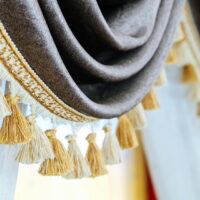
A common industry myth is that safety fabrics feel stiff, plastic, or look clinical. Thanks to manufacturing innovations, modern FR textiles replicate the premium textures of linen, heavy cotton, velvet, and even silk. They simultaneously offer excellent secondary business benefits, including robust 95% light blackout capabilities, acoustic noise insulation, and superior room temperature regulation.
Protecting your venue doesn’t mean sacrificing your interior design vision; it simply means keeping your assets, guests, and livelihood safe.
If you are planning a venue upgrade, let me know:
What type of business is this for (e.g., hotel, school, office, care home)?
What country or region are you operating in?
Do you prefer lightweight drapes or heavy blackout curtains?
I can outline the specific fire codes and fabric weights required for your exact setup.
Safe and Compliant: Why You Must Commercially Flame Retard Curtains in the UK
Commercial flame retardant curtains are a strict legal requirement in the UK, designed to slow fire spread, save lives, and protect businesses from devastating liability. Hanging standard domestic drapes in a British business venue is a massive financial and safety gamble. Because curtains are vertically suspended fabrics, flames can climb up and across them with terrifying speed.
For UK business owners, hoteliers, landlords, and venue managers, ensuring your window treatments are certified flame retardant (FR) is a foundational business necessity so contact CDC Curtains Ltd for a free consultation
The Strict UK Legal Framework
In the UK, fire safety in non-domestic premises is strictly regulated. You cannot legally use standard household fabrics in public or commercial spaces.
The Law: Premises must satisfy the Regulatory Reform (Fire Safety) Order 2005 (or the Fire Safety (Scotland) Act 2005). This places the legal burden on a designated “Responsible Person” to conduct a thorough fire risk assessment.
The British Standard: All commercial window dressings must pass the specific vertical flammability criteria outlined in BS 5867 Part 2.Type B vs. Type C: Type B is the standard for most commercial spaces (tested before and after 12 standard washes). Type C is reserved for high-risk environments like hospitals and care homes (tested to withstand 50 severe institutional washes).
The Penalties: Failure to comply can trigger heavy regulatory fines, mandatory business closure notices from local fire authorities, or the complete voiding of corporate insurance policies in the event of a fire
Crucial Life-Saving Time during Evacuations
The primary goal of a flame retardant fabric is not to be completely fireproof, but to systematically alter how the material reacts to extreme heat.